
What is the Best Waterproof Paint for Shower Walls?
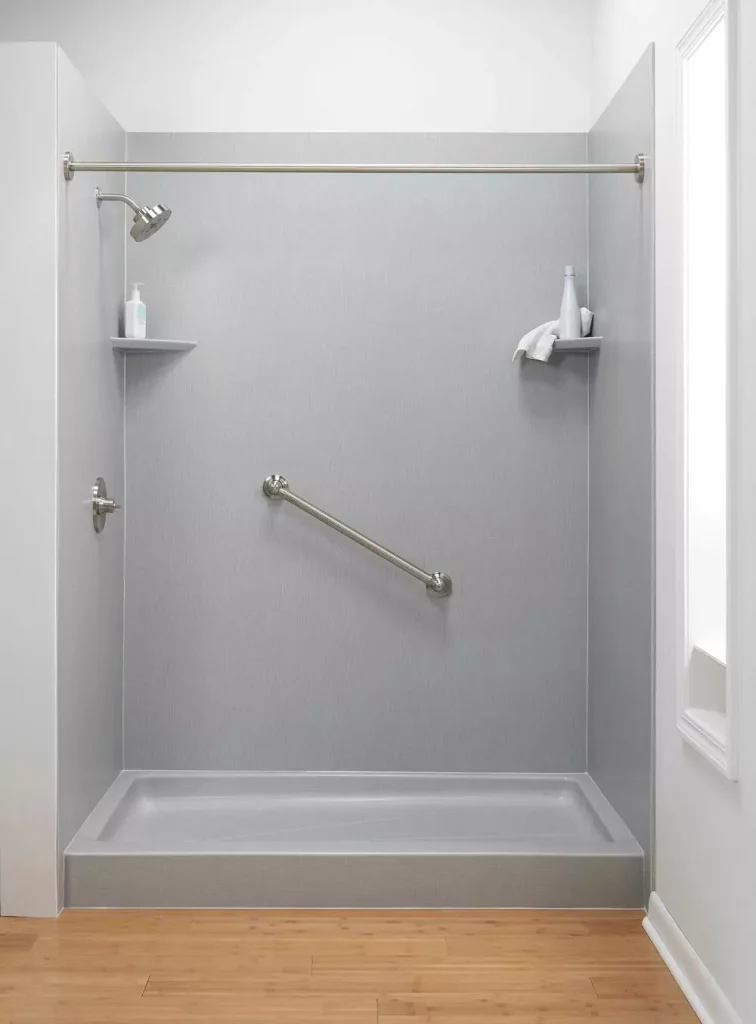
If you’re planning on painting your shower walls, it’s important to choose the right waterproof paint for bathrooms. After all, showers are constantly exposed to water and high humidity levels, so you need a moisture-resistant bathroom paint that can withstand those conditions. Here’s a look at some of the best paints for shower walls, as well as a few tips on how to choose the right one for your needs.
Long Home – 4 generations of trust
thousands of positive reviews
Before You Paint: Is Your Shower Worth Saving?
Paint can refresh a shower that’s structurally sound and simply looking dated. But if you’re dealing with cracked grout, persistent mold, peeling surfaces, or a tub surround that’s worn through to the base material, paint is a temporary fix — not a solution. In those cases, repainting often just delays a replacement you’ll end up doing anyway.
A few signs your shower may be past the paint stage:
- Grout that’s cracking, discolored, or failing to hold water out
- Soft spots or flex in the wall surface
- Mold or mildew that keeps coming back despite cleaning
- Chips or cracks in the tub or surround material
- A layout or size that’s never really worked for your space
If any of these issues apply to your home, it’s worth getting a professional inspection before investing time and money in a paint job that may only provide a temporary fix. Long Home can help identify underlying problems and recommend the right long-term solution to protect your home and maximize your investment.
If not, read on — here’s what you need to know to do it right.
Types of Paint for Shower Walls
There are two main types of paint that are suitable for shower walls: oil-based paint and latex paint. Oil-based paint is more durable and resistant to moisture, but it’s also more difficult to apply and clean up. Latex paint is easier to work with, but isn’t quite as durable as oil-based paint.
Paint Primer and Sealant
If you’re painting over existing paint, make sure to sand down the surface and use a primer for bathroom walls before applying the new paint. Some people may choose to skip primer or choose a paint-and-primer in one, but doing so can drastically affect your results.
Primer seals porous surfaces, creating an even base layer that is easier for the new paint to stick to. This will help the new paint adhere better and last longer. It also allows your new coat of paint to cover any stains made on the shower’s old paint. If you’re choosing lighter paint for your shower walls, primer is necessary to prevent the existing darker color from bleeding through.
If you’re painting over an old coat of paint, apply a primer designed for oil-based or latex paints, depending on the surface. For example, if your old coat is oil-based, you’ll need to use a primer designed for oil-based paint before painting with a latex-based paint.
After applying your new paint, use a rubber waterproof coating for shower walls to seal the new color. Applying a rubberized sealant ensures your bathroom walls stay waterproof. This step is especially important if your shower has tiles.
Oil-Based Paint
Oil-based paints are typically the best at repelling water, but take longer to dry. It also has a strong odor, so be sure to keep the bathroom ventilated if you use this paint for your shower walls. If your bathroom doesn’t have windows or a powerful fan, oil-based paint may not be the best choice.
The cleanup process can be a bit tedious, as it requires you to use solvents and paint thinner. Also, when the time comes to paint again, you will have to use more oil-based paint because latex does not adhere well to oil.
Latex-Based Paint
Latex paint is easier to work with and clean up than oil-based paint. Many consider latex paint to be the best paint for shower walls thanks to its ability to stick to the shower’s surface, long-lasting color, and quick dry time. The more glossy the paint, the better it will be at repelling water — which is obviously important for a shower.
Which is the Best Paint for My Shower Walls?
In the past, oil-based paints were the standard for home improvement painting projects. Nowadays, most people prefer latex paints for bathrooms because they are easier to apply, pose fewer environmental hazards, dry faster, and are extremely durable.
Should I Use Semi-Gloss or Gloss Paint for My Shower Walls?
This depends on what you need the paint to do. For example, glossy paints easily show surface flaws, so you’ll need to sand your ceilings thoroughly before applying this type of paint. If you aren’t able to sand it, stick to semi-gloss.
Choosing a Paint Color
The paint color for shower walls you choose is entirely up to you. However, there are a few things to keep in mind when making your selection. First, consider the overall style of your bathroom. If you want the shower to blend in with the rest of the room, choose a neutral bathroom paint color similar to the ones used elsewhere in the space.
If you want the shower to be a focal point, then go ahead and choose a bold bathroom paint color. Just make sure that the color you choose is one that you’ll still be happy with a few years down the road; you don’t want to grow tired of it too quickly.
Bathtub and shower replacements, bath to shower conversions
Get a professional assessment of your current bathtub or shower and learn more about Long Home’s replacement services. You can also ask about our bath-to-shower conversion options to find the best fit for your space.
Ready for More Than Just Paint? Contact Long Home Today
If you’ve made it through this guide and realized your shower needs more than a fresh coat, Long Home has been helping Maryland, Virginia, Connecticut, Pennsylvania, Massachusetts, and New Hampshire homeowners transform their bathrooms since 1945. Our bath remodeling process is straightforward — a free in-home consultation, a wide range of styles and materials to choose from, and installation completed in as little as one day.
Not sure which direction makes sense for your bathroom? We’re happy to take a look and give you an honest answer.
Get Your Free Estimate!
Frequently Asked Questions
Can you paint over a fiberglass shower? Yes, but surface prep is critical. Fiberglass must be thoroughly cleaned, lightly sanded, and primed with a bonding primer before painting. Skip any of those steps and the paint will peel quickly. Even when done correctly, paint on fiberglass is a short-term fix – typically 3–5 years before it needs to be redone.
How long does shower paint last? In ideal conditions, quality latex or epoxy shower paint lasts 3–5 years. High-humidity showers with poor ventilation will see shorter lifespans. Glossier finishes tend to hold up better than matte or eggshell.
What’s the difference between painting and refinishing a shower? Painting applies a topcoat of moisture-resistant paint to the existing surface. Refinishing (also called reglazing or resurfacing) uses a multi-step chemical bonding process to apply a new surface coating – it’s more durable and longer-lasting than paint, but still a surface-level treatment rather than a full replacement.
When should I replace my shower instead of repainting it? If you’re dealing with cracking grout, soft spots in the wall, recurring mold, or chips and cracks that go through the surface material, paint won’t solve the underlying problem. At that point, a full replacement is more cost-effective than repeated surface treatments. A professional assessment can tell you which situation you’re in before you invest in either option.
How do I know if my shower walls are in good enough condition to paint? Press firmly on the wall surface in several spots – there should be no flex or soft areas. Check grout lines for cracking or gaps. Look for any discoloration that could indicate mold behind the surface. If the walls pass those checks and you’re just dealing with a cosmetic refresh, painting is a reasonable option.