
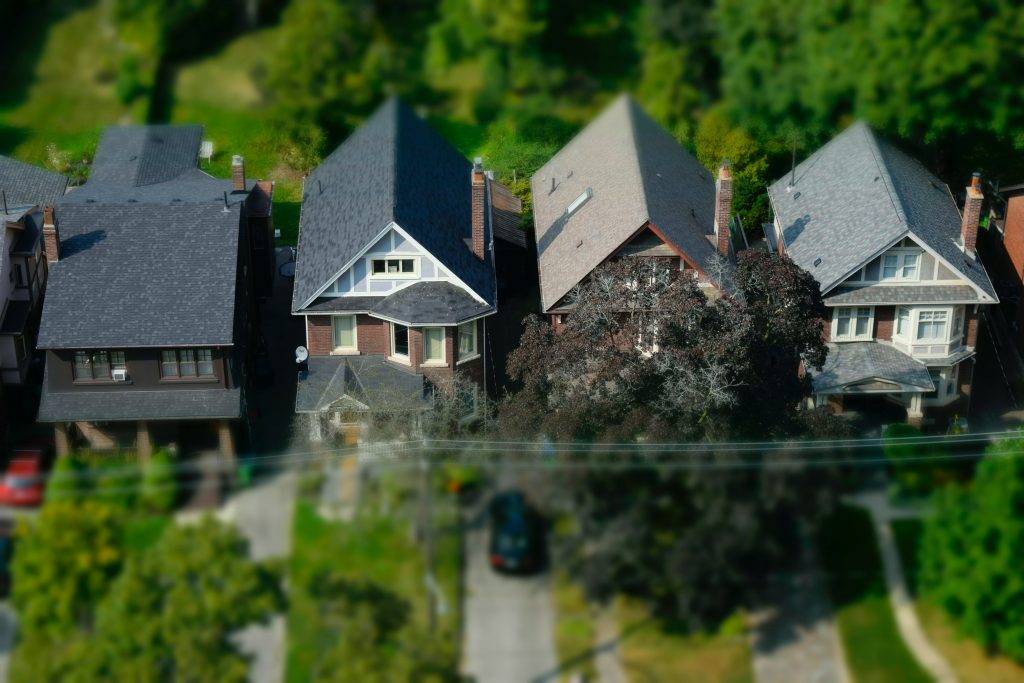

What is Flashing on a Roof?
Get your Free Estimate!
When you think of roofs, shingles often come to mind first. They look great, they’re durable, and they stand up well to the elements. However, shingles are just one component of a well-functioning roof.
Learn about roof flashing and why it’s an important part of keeping your home safe and dry.
What is Roof Flashing?
Roof flashing is like a thin metal shield used to keep water away from important parts of the roof, like where the roof meets a wall or other vertical surface. It’s put around things like vents, chimneys, and skylights to stop water from getting in.
Underlayment and roof flashing are required to keep water from getting underneath your shingles.
Types of Roof Flashing
Roof flashing is different for every home because it’s always tailored to your roof’s unique features. The type of shingles you’ve selected, and the style of your home have a lot to do with the types of flashing that your roofing professional will recommend.
Base Flashing & Step Flashing
These are used where a vertical wall of the house intersects the surface of the roof deck. The two main types of walls are:
- Front walls (also called headwalls): Vertical walls behind a sloping roof deck
- Sidewalls: Vertical walls along the edge of a sloping roof deck
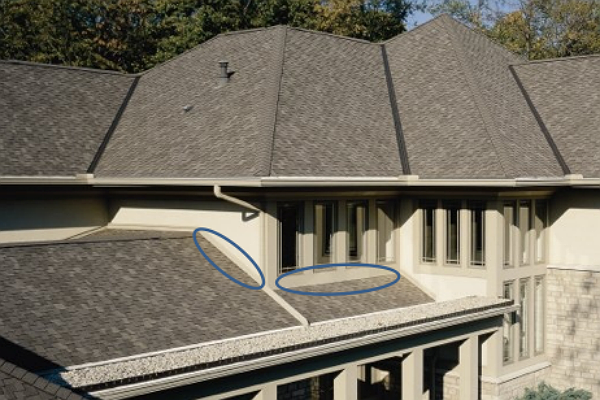
As the wind blows and rain pours, flashing stops the water before it gets between the wall and the shingles and directs it into the gutters.
Some key points to remember:
- Base flashing is for front walls. It is one length of flashing bent (along the length) to match the pitch of the roof. Base flashing is installed over underlayment but under siding and shingles, so you may not be able to see it from the ground.
- Step flashing should always be used where the roof deck meets a sidewall. Pieces of step flashing are bent at an angle relative to the roof pitch and installed along the full length of the sidewall where it joins the roof deck. The flashing should be partially exposed along the wall. Since you can see step flashing, some homeowners choose a more expensive flashing material like copper to achieve a certain aesthetic.
Valley Flashing
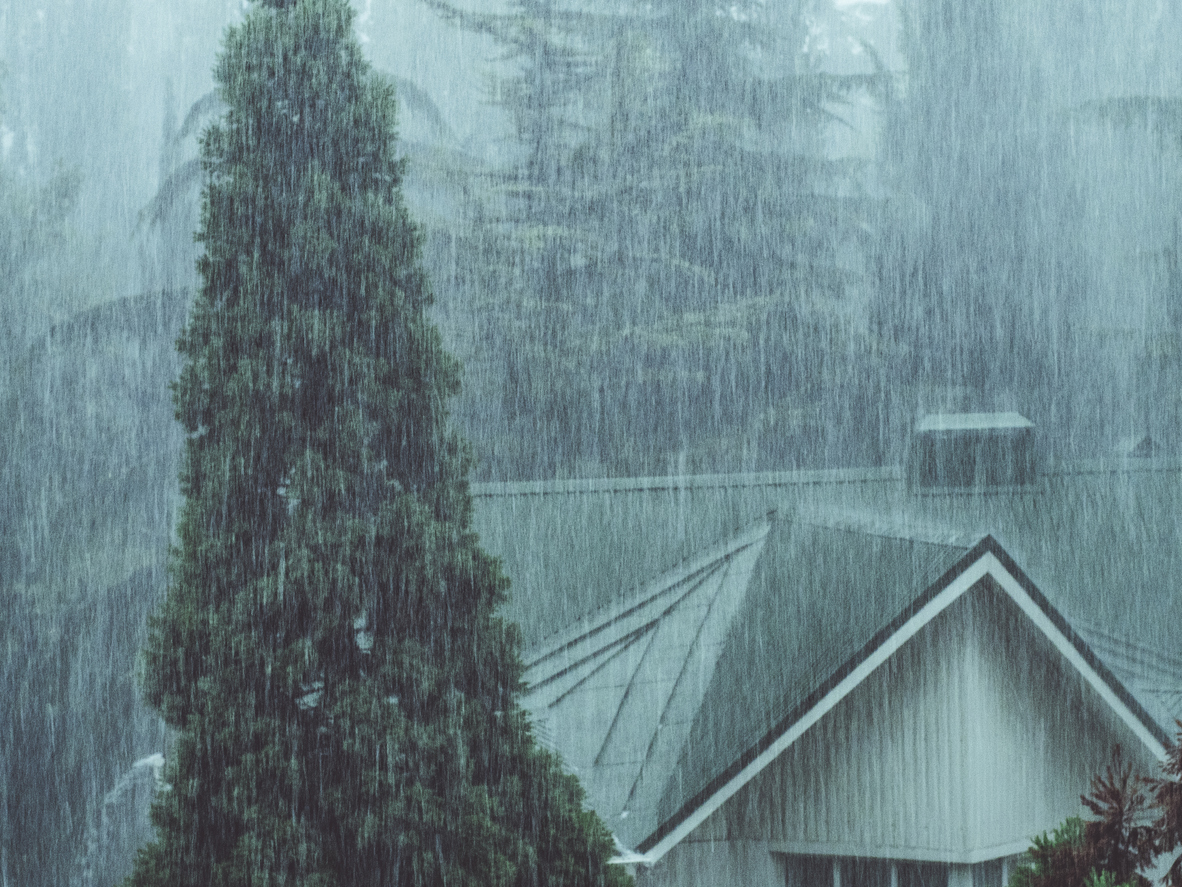
Valleys are the places where two roof decks slope toward one another, creating a low line that looks like a valley between two mountains.
Water flows into the valleys on your roof the same way rivers wind through mountain valleys. Therefore, valleys are prime targets for water penetration.
Sometimes, shingles can be woven to provide extra layers of protection to the roof valleys. However, many dimensional shingles are simply too thick and inflexible to be woven.
Metal valley flashing is installed over the underlayment but under the edges of the shingles. In this “open valley” style, the shingles over each section of the roof do not touch. They’re installed to overlap and form a gap that exposes the valley flashing. This allows water to run off the edges of each roof, into the valley flashing, and down to the gutters.
Valley flashing is visible from the ground. Some homeowners choose a unique color to add a striking contrast to the color of their shingles.
Chimney Flashing
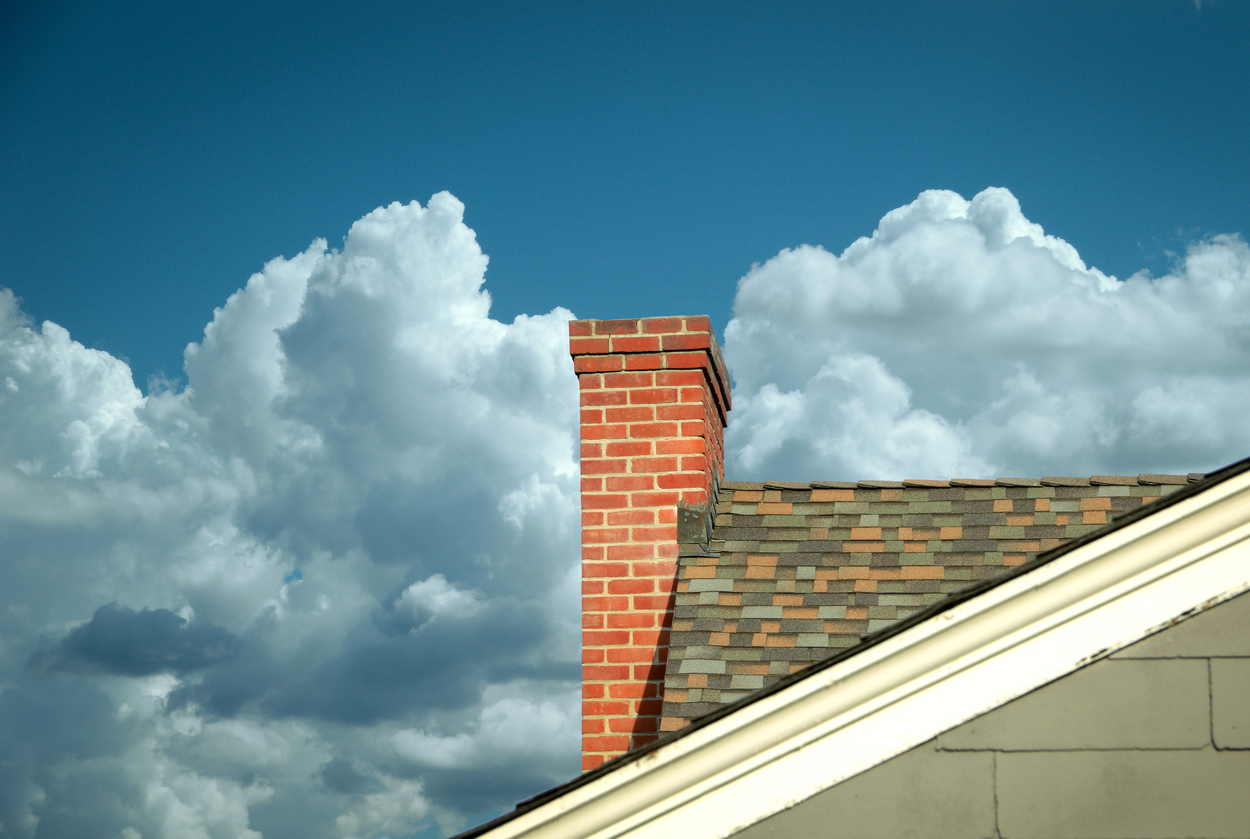
Flashing is more complicated for penetrations like chimneys, vents, and dormers. Each feature requires a unique set of materials and installation techniques to provide a watertight seal.
While the flashing needs at each penetration site may differ, waterproofing these locations is always critical.
Drip Edge Flashing
A drip edge directs water away from the roof edges to prevent damage. It’s most important at the rake edges but also beneficial at the eave edges.
Wind damage is the most common cause of home insurance claims. During severe winds, shingles are more likely to lift along the rake edges, where they lack overlap. The drip edge provides extra protection by supporting the work of shingles and gutters at the eaves, protecting the fascia board. All roofs can benefit from drip edges at the eaves, and a roofing professional can advise on the best options for specific needs.
Skylight Flashing
Skylight flashings are the first layer of protection against leaks and moisture. The entire purpose of skylight flashing is to prevent as much moisture from getting on the surface of your roofing material as possible. They accomplish this without relying on sealants that can break down, which can cause damage later on.
Properly installed skylight flashing helps protect your roof from water seepage, rot, mold, and structural damage.
Continuous Flashing
Continuous flashing, found at the junction of the sidewall and roof, aims to prevent leaks. However, it’s not always effective. If the roofing cement fails, the entire flashing becomes compromised, leading to potential leaks.
Consider replacing continuous flashing with a more reliable option, such as step flashing.
Kickout Flashing
Kickout flashing, also known as diverter flashing, helps redirect rainwater away from your home’s siding and into the gutter system to prevent water damage. If missing or faulty, it can cause water accumulation and severe damage to your home’s exterior walls, which may not be immediately visible.
Roof Flashing Materials
Understanding flashing materials is necessary to ensure your roof is installed well and your home is protected.
Copper
This material is the most durable and eye-catching flashing available on the market today. Copper doesn’t tend to develop rust, even after years of exposure. Over time, it ages gracefully by forming a green patina and still tends to look great with different types of roofing. It also doesn’t require painting or regular treatments to remain effective.
Steel
Galvanized steel is a popular flashing material type and works very well with metal roofs since it’s usually made of the same or similar materials. Steel flashings usually have a zinc coating to protect them against corrosion, allowing them to last much longer under exposure to moisture and other weather elements.
Lead
Lead is actually a very durable material for flashings, and many prefer it instead of copper. It has naturally long-lasting resistance to water damage, and since it is a softer metal, it’s able to expand and contract with the outside temperatures more easily than many other materials. Lead flashings are believed to last for more than 200 years, so they should last beyond the lifespan of your roof.
Aluminum
This is a relatively inexpensive flashing material that is also malleable and durable. Due to its malleability, it’s a great material for trickier sections of a roof, such as chimney flashings, base flashings, and valley flashings. However, it does need a protective finish since it corrodes easily when exposed to weather elements, wood, cement, or concrete.
Do I Need to Replace My Roof’s Flashing?
If you’re concerned about the quality of your flashings the best way to ensure quality is to replace them. This is especially true if your flashings have experienced weather damage, have holes, are corroded, or show any other signs of damage and wear. When in doubt, call a professional to inspect your flashing.
However, many flashings can outlast a roof’s normal lifespan. Some roofing contractors even recommend that you reuse your roof flashings, as they’re designed to last and are often still in excellent condition.
Trust Long for Your Roofing Needs
Contact Long Roofs to request an estimate on a new roof for your home. A licensed professional will come to your home for a free, no-obligation estimate to replace your old roof with a beautiful new roof with up to a 50-year warranty!