

Will Medicare Pay for a Walk-In Shower?
Get your Free Estimate!
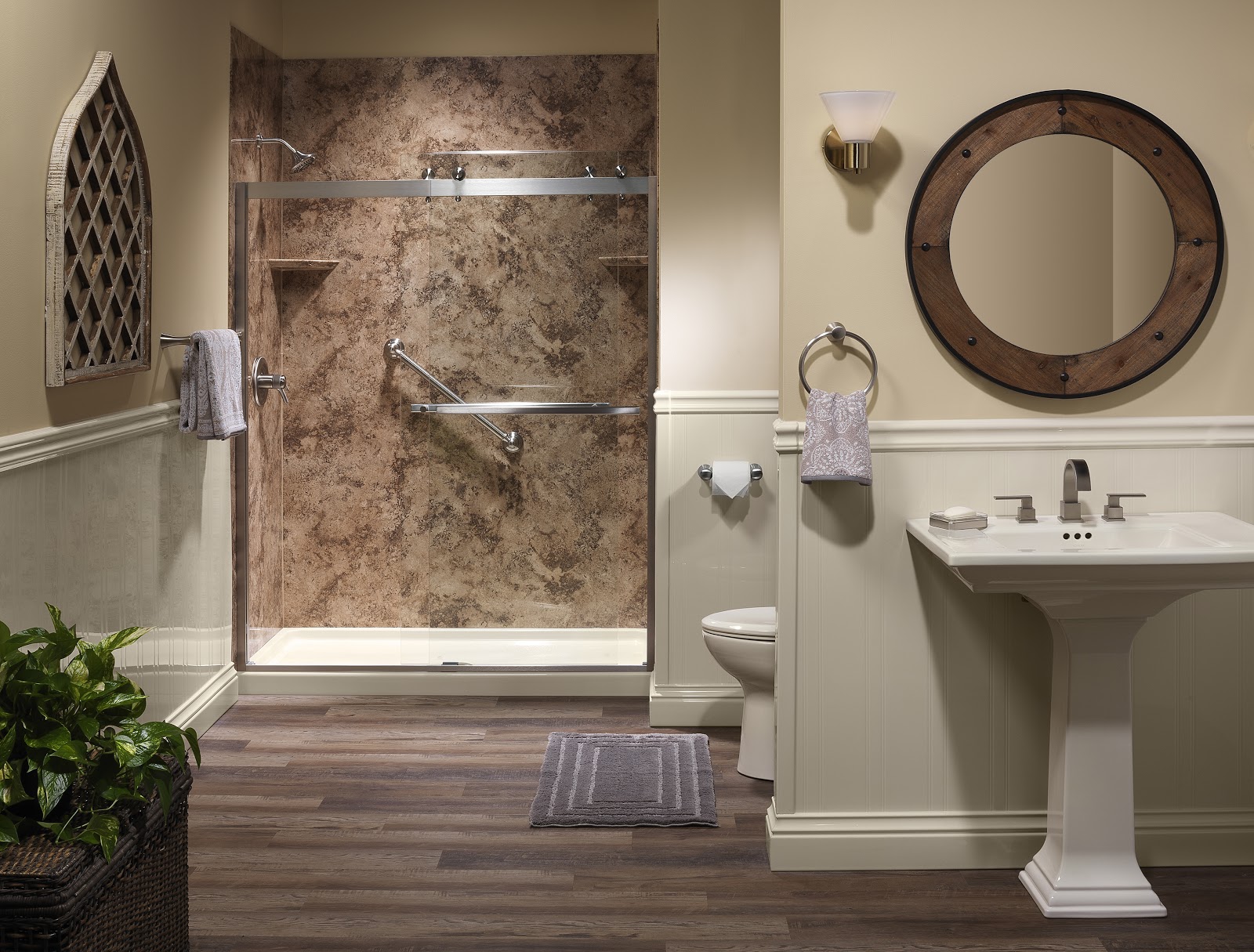
For most seniors, a walk-in shower is easier to manage than a tub. Entering and exiting is safer when those with limited mobility don’t have to step over the side of a bathtub. Additionally, some walk-in showers are large enough to accommodate wheelchairs, walkers, or seats for added safety and comfort.
However, Medicare coverage for bathroom modifications is limited. Medicare generally doesn’t cover bath-to-shower conversions for seniors, as these upgrades are typically not classified as “medically necessary.” Learn about what Medicare does and doesn’t cover for walk-in showers, and how you can get assistance paying for a senior-friendly bathroom remodel as you age-in-place.
Medicare Coverage for Walk-In Showers
Medicare Part B covers durable medical equipment (DME) considered medically necessary in your home. A Medicare-enrolled doctor or other healthcare provider must prescribe these DMEs. And while things like walkers, wheelchairs, and even commode chairs are covered, the actual upgrade in your home to a walk-in shower is not.
Sometimes – very, very rarely – Medicare might reimburse someone for the cost of a tub-to-walk-in shower conversion. However, you would need a medical diagnosis for mobility issues and a written prescription for a walk-in shower with accessibility features. Even then, Medicare might decline your request for reimbursement, leaving you responsible for the entire bill for something that can significantly improve your quality of life.
Some private insurance companies offer Medicare Advantage plans. Each Medicare Advantage plan is different depending on your private insurer. If you’re enrolled in Medicare Advantage, it might be worth reaching out to see if they’ll cover some or all of your bathroom modification costs.
Alternative Coverage Options
Thankfully, you don’t have to depend solely on Medicare to give yourself a new walk-in shower for aging in place.
Medicaid
Many states have Medicaid home modification programs designed to help seniors age in place, even with mobility issues. Contact your state’s Medicaid office or housing department to find out if they have programs that will help you pay for all or some of your bathroom accessibility upgrades.
Financing and Payment Plans
Most companies that provide home modification services offer financing options and payment plans. These plans allow you to cover the cost of much-needed bathroom upgrades without paying a large, upfront sum.
Stay Safe With a Walk-In Shower From Long Home
Long Home offers a broad range of bathroom accessibility solutions for seniors who choose to age-in-place in the comfort of their own homes. These include upgrading your existing bathtub to a safe, easy-access walk-in shower.
Contact Long Home today to learn more about our aging-in-place bathroom remodel services and how we can help you stay safe, independent, and comfortable in your home.
Frequently Asked Questions
Does Medicare pay for a walk-in shower?
In most cases, Original Medicare does not cover walk-in showers because they are considered home modifications rather than durable medical equipment (DME). In rare cases, reimbursement may be possible if a doctor prescribes the shower as medically necessary, but approval is not guaranteed.
Can Medicare Advantage cover a walk-in shower?
Some Medicare Advantage (Part C) plans may offer partial coverage for walk-in showers or bathroom accessibility upgrades, depending on the provider and plan details. It’s best to contact your insurance provider directly to confirm what benefits may be available.
What other options can help pay for a walk-in shower?
Many homeowners look into Medicaid programs, state home modification assistance, financing plans, or payment options offered by remodeling companies. These alternatives can make aging-in-place upgrades more affordable when Medicare coverage is limited.
Why are walk-in showers a good option for seniors?
Walk-in showers improve safety by reducing the need to step over a high bathtub wall, lowering the risk of slips and falls. They can also provide easier access for walkers, wheelchairs, and seating, making daily routines safer and more comfortable.
How do I know if a walk-in shower is right for my home?
If stepping in and out of a traditional bathtub feels difficult or unsafe, a walk-in shower may be a better long-term solution. A professional consultation with Long Home can help you choose the best accessibility upgrade for your space and needs.