

Do You Need a Drip Edge on a Roof?
Get your Free Estimate!
Unsure what a drip edge is on a roof? Simply put, the drip edge is a vital — yet often overlooked — component of your home’s roofing system. It plays a valuable role in safeguarding your home from unwanted elements. However, not all roofs have a drip edge, so you’ll need to decide if a drip edge is necessary on your new roof.
At Roofing, we recommend including a drip edge in the roof installation process. Read on to gain insight into drip edges and their importance, plus some advice from one of our very own seasoned roofing professionals.
What is a Drip Edge on a Roof?
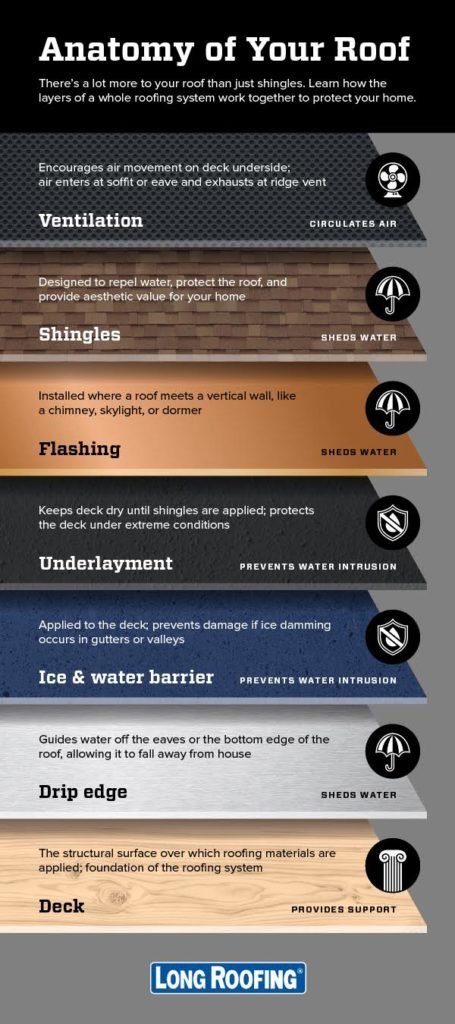
A drip edge is a metal flashing installed along the edges of the roof to direct water away from the fascia and into the gutters. It shields the underlying roof components from water damage, and in doing so, prevents rot and mold from forming. It also helps keep insects and small animals from infiltrating your home.
“The roofing system is more than a ‘shingle.’ It’s a complete system that includes all aspects of the roof to protect your home and make it more energy efficient,” said Paul Janoski, Roofing’s Pennsylvania Branch Manager. “That includes the decking, underlayment, ice shield and venting system, as well as the ‘drip edge’ just to mention a few important aspects.”
Is a Drip Edge Necessary on a Roof?
Without a drip edge, you risk compromising the integrity of your roof. This is because shingles alone are susceptible to water infiltration, which could result in cosmetic damage or even premature replacement.
“We look at drip edges as a permanent solution so the customer has one less aspect of their home to concern themselves with,” said Janoski, who has over 30 years of experience working in home improvement.
When comparing roofing systems with and without a drip edge, it’s clear that the added protection is well worth the investment. “The return on investment is undeniable when using a quality long term roofing solution like our integrity roofing system,” said Janoski. “Also, the immediate economic savings on HVAC costs is a major upside.”
Is a Drip Edge Required by Code?
The requirement for a drip edge in a roofing system depends on the local building codes in your area. In many jurisdictions, building codes mandate the installation of a drip edge to ensure proper water management and protection for your home. For instance, the International Residential Code (IRC) requires drip edges on all eaves and rakes in areas prone to wind-driven rain.
It is essential to consult your local building department or a professional roofing contractor to determine whether a drip edge is required by code in your region. Even if it is not mandated, installing a drip edge is highly recommended due to the numerous benefits it offers, such as protecting against water damage, preventing pest infestation, and increasing the overall lifespan of your roof.
Should I Install My Own Drip Edge?
While you can install your own drip edge, it’s always best to leave it to the professionals. If the drip edge is not installed and secured properly, water can seep underneath — causing significant damage to the roof or the interior of your home.
When asked what homeowners should expect during the installation process, Janowski said, “Professional, quick and stress-free. From the roof install right down the groundskeeping and cleanup, a good roofing contactor’s installation process should leave your home in better condition than when they arrived.”
Common FAQs About Drip Edge On a Roof
Can a drip edge be installed on an existing roof?
Yes, a drip edge can be retrofitted onto an existing roof by carefully lifting the shingles and sliding the drip edge underneath.
What are the most common types of drip edge materials?
The most common materials used for drip edges are aluminum and galvanized steel. This is because these materials offer the most durability.
When should I replace my roof’s drip edge?
Generally speaking, the drip edge should be replaced at the same time as the shingles. However, it can be replaced by itself at any time.
How can I tell if my drip edge needs to be replaced?
Signs that your drip edge may need replacement include rust, corrosion, or visible damage that may compromise its functionality.
Equip Your New Roof with a Drip Edge
In the market for a roof replacement? There’s no one better than Roofing. We’re passionate about what we do — and we excel at it. We’ll walk you through every step of the roof replacement process, including deciding on a drip edge.
Having a secure, high-quality roof is critical to preserving your home’s integrity, value, and safety. Contact Roofing to learn about our financing options, lifetime warranty, and receive a free estimate today!