
Acrylic vs. Fiberglass Shower: Which is Best for My Bathroom?
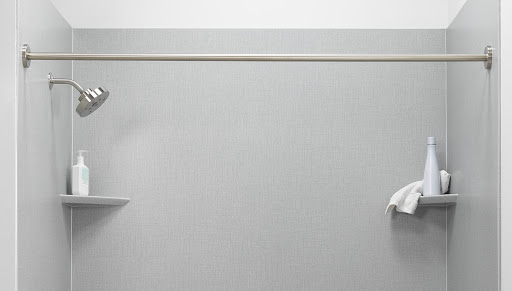
Bathroom upgrades are great ways to make your home feel like new. Even just replacing your shower can add a refreshing touch. Your new bathroom should suit your family’s needs and your personal style.
When you make decisions about your bath remodel, you’re not just improving your home – you’re investing in your future. Bathroom upgrades can add value to your house when it’s time to sell, so plan ahead with the best return on your investment in mind.
What’s the Difference Between Acrylic and Fiberglass Showers?
The material used in your new shower stall will significantly impact its longevity. Acrylic and fiberglass are two popular options to consider. But before we discuss the differences, let’s look at their similarities.
Typically, both acrylic and fiberglass shower units are low-cost alternatives for more costly ceramic or stone tiles.
Additionally, they’re both low-maintenance compared with other choices and easier to install. While acrylic resists staining better than fiberglass, neither requires the same degree of grout sealing and cleaning to stay fresh compared to other materials.
Now, let’s look at the important differences between acrylic and fiberglass for your new shower.
Customization
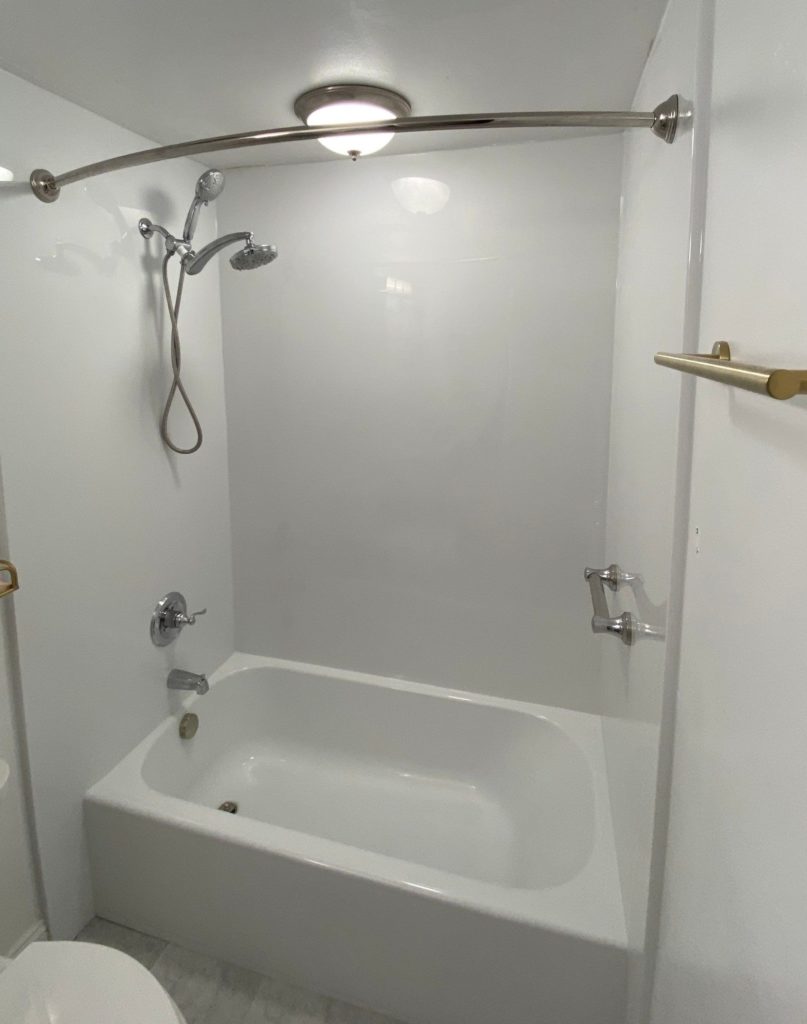
Acrylic showers give you a wide variety of texture, color, and fixture options to choose from. That’s because they’re made from large sheets of customizable acrylic and reinforced with glass fibers and resin. The acrylic is heated and stretched into a mold by way of a vacuuming form process, after which a resin/glass fiber material is applied to strengthen it.
Fiberglass shower bases are made with polyester resin mixed with woven glass fibers. They’re often sprayed with a gel coating to prevent fading. The material is then poured into a mold to create one unit without seams. These units are typically restricted to certain sizes and aren’t as customizable as acrylic.
Durability
When it comes to durability, acrylic lasts much longer than fiberglass. Acrylic is harder to scratch or puncture than fiberglass, and therefore requires fewer repairs and typically has a longer life expectancy. Fiberglass is much more susceptible to color loss, scratching, and damage.
However, if the fiberglass is damaged over time, it’s relatively easy and affordable to repair or replace.
Price
While both options are affordable shower materials, acrylic tends to be slightly more expensive than fiberglass. This is because acrylic lasts longer, is easier to maintain, and requires fewer repairs over time.
While fiberglass is one of the least expensive materials, it will likely need to be replaced sooner than an acrylic shower base or tub.
Choosing Between Acrylic and Fiberglass? Let Long Home Guide You
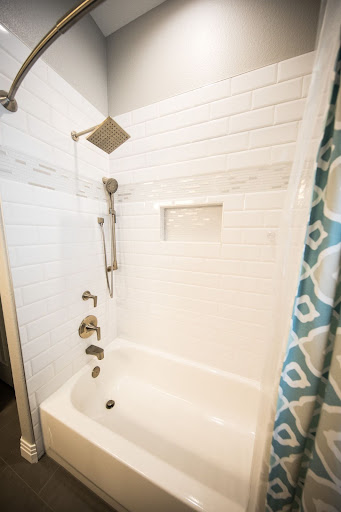
Whether you’re looking for a shower replacement or to convert a bathtub into a shower, trust Long Home™ to deliver the best materials and unparalleled craftsmanship. Remodel your bathroom the right way – the Long way.
Get Your Free Estimate!
Frequently Asked Questions
Is acrylic or fiberglass better for a shower?
Acrylic is generally considered the more durable option because it resists cracking, fading, and everyday wear better than fiberglass. Fiberglass is often more affordable upfront, but acrylic typically offers better long-term value.
How long does an acrylic shower last compared to fiberglass?
An acrylic shower can last 10 to 15 years or more with proper care, while fiberglass may show wear sooner depending on use and maintenance. Acrylic tends to hold up better against scratches, stains, and heavy daily use.
Is fiberglass cheaper than acrylic for shower replacement?
Yes, fiberglass showers usually have a lower initial cost than acrylic options. However, homeowners often choose acrylic for its durability and lower maintenance over time.
Which shower material is easier to clean?
Acrylic is typically easier to clean because it has a smoother, nonporous surface that resists stains and mildew buildup. Fiberglass can become more difficult to maintain as the surface ages and wears down.
How do I choose the best shower material for my bathroom?
The right choice depends on your budget, bathroom layout, and long-term goals for durability and maintenance. A professional consultation with Long Home can help you compare options and choose the best fit for your space.