
Signs Your Bathtub Needs to Be Replaced
How to determine whether or not your bathtub needs to be replaced.
At a Glance
Where to Start with a Bathroom Remodel
Most bathtubs don’t fail overnight. They wear down slowly, making it easy to dismiss a stain or hairline crack until water has already reached the floor or walls behind it. The signs that point to replacement rather than repair include cracks with real depth, stains that survive every cleaner you try, a tub floor that flexes underfoot, mold that keeps returning to the same spot, and leaks you can see or trace through a rising water bill. If replacement is the right call, Long Home starts with a free in-home consultation, and most bath projects are completed in as little as one day by factory-trained and certified installers.
- Check the depth of any crack. If your fingernail catches on it, the damage likely reaches the base material and calls for replacement, not a patch.
- Watch for structural and moisture warning signs. A soft or bouncy tub floor and mold that keeps coming back usually mean moisture has worked its way beneath the tub or behind the wall.
- Test for hidden leaks. Plug the drain, mark the water line, and check it after an hour or two. An unexplained drop or a jump in your water bill points to a leak.
- Consider safety, not just damage. If getting in or out feels unsteady, a tub-to-shower conversion or accessibility upgrade can solve it without a full remodel.
- Expect a 10 to 15 year lifespan. Age alone isn’t a reason to replace, but tubs in that range are more likely to show these warning signs.
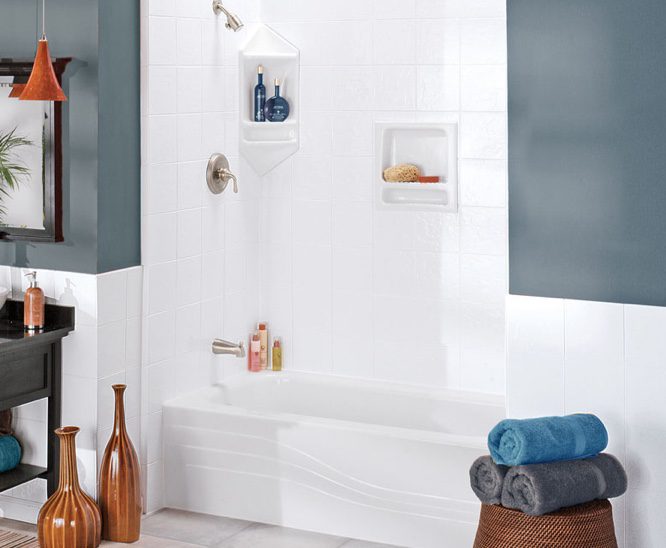
A bathtub rarely fails all at once, instead, it wears down slowly. As a result, it’s easy to overlook a stain or a small crack until the problem becomes much bigger. If you are trying to decide whether you are facing a simple maintenance issue or if it’s time to replace your tub entirely, the difference usually comes down to a few specific details.
Here is what to look for, how to evaluate your tub, and what the replacement process looks like if you need it.
In This Article
- Cracks or Chips That Go Beneath the Surface
- Stains That Won’t Come Out With Cleaning
- A Tub Floor That Feels Soft or Bounces
- Leaks You Can See, and Ones You Can’t
- Rising Water Bills With No Clear Cause
- A Bathtub That No Longer Works for Your Body
- What a Bathtub Replacement Involves
- Frequently Asked Questions
Cracks or Chips That Go Beneath the Surface
A crack in your bathtub becomes a serious problem once it goes beyond the surface coating and into the material underneath. Small chips are mostly cosmetic, and a repair kit can often resolve them.
However, a crack with depth is different. Once it reaches the base material, water can work behind the tub and into the floor and surrounding walls, where it causes hidden damage you can’t see from inside the bathroom. “Whatever’s at the surface is what homeowners see. The real problems are far beyond that, directly behind the wall, underneath the floor, in the plumbing, or even further into the next level of the home,” says Riley Collins, Production Manager at Long Home.
If a crack has any depth to it, treat it as a sign your bathtub needs to be replaced rather than something to patch and monitor.
Stains That Won’t Come Out With Cleaning
If you have a stain you can’t get rid of despite your best cleaning efforts, it usually means the tub’s protective surface has worn through. Every bathtub is manufactured with a coating designed to resist staining, but over years of use, that coating naturally breaks down.
Once that happens, minerals, soap, and cleaning residue start to settle into the material itself instead of sitting on top of it. If you’ve already tried several cleaners and the stain remains, no amount of scrubbing is going to fix it. At that point, a new bathtub is the only way to get the surface back.
A Tub Floor That Feels Soft or Bounces
A bathtub floor that flexes slightly tells you the structure beneath it has weakened and is far beyond a quick fix. This is most common with older fiberglass tubs, where years of weight and moisture gradually wear down the support layer beneath the surface.
If you notice any flex or bounce when you step within the tub, the problem will only continue to worsen. It is one of the clearest signs that a repair will not add meaningful life to the tub, and replacement is the most reliable option.
Mold That Keeps Coming Back
The bathroom is one of the most common places for mold to appear given the constant moisture. Occasional surface mold is a normal part of bathroom maintenance and is usually cleaned up without much effort. However, mold that keeps reappearing in the same spot is a sign that there’s a deeper issue.
Reappearing mold, especially near the edges or corners of the tub, often indicates that moisture has already worked its way behind the wall or beneath the tub. As a result, the mold will keep coming back until the source of the moisture is addressed, which usually points to a tub that needs to be replaced.
Leaks You Can See, and Ones You Can’t
Some bathtub leaks are more obvious, while others only show up as damage somewhere else in the house. Obvious leaks tend to show up as puddling around the base of the bathtub or water stains on the ceiling of the room below.
Less obvious leaks can be much harder to catch, but a simple check can be useful. Fill your tub, plug the drain, and mark the water line. After an hour or two, check the level of the water. If the level has dropped with no explanation, you are likely dealing with a leak, and leaks tend to get worse with continued usage.
Rising Water Bills With No Clear Cause
Another way to identify a potential leak is by monitoring your water bill. If you see an unexplained jump in your water bill, you may have a hidden leak. Small leaks around a drain or behind a wall are not always visible day to day, but they add up over weeks and months. If your household water usage has not changed but your bill has gone up, it’s worth calling a professional to determine if you have a potential issue.
A Bathtub That No Longer Works for Your Body
Damage isn’t the only reason to replace your bathtub. Sometimes the tub itself no longer fits your needs or the way you use your bathroom. If getting in or out of the tub has become difficult, or if you feel unsteady, that is a legitimate reason to consider a replacement on its own.
A tub-to-shower conversion or additional accessibility options can solve that without requiring a full bathroom remodel. Comfort and safety matter as much as structural condition, and a tub that creates hesitation every time you use it is worth addressing before it leads to a fall.
What a Bathtub Replacement Involves
Once you’ve determined a replacement is the right call, the process is straightforward. It typically starts with a free in-home consultation, where an expert will look at your bathroom, walk you through your options, and give you a clear picture of the project before any work begins.
Long Home has been replacing bathtubs for more than 80 years, and every installation is completed by factory-trained and certified installers using products designed to resist the exact problems that lead to replacement in the first place. With Long Home, most bath replacements are completed within a single day, so homeowners aren’t living with an open bathroom for weeks.
Every installation is backed by our industry-leading warranty, and we have financing options available to help make your dream a reality.
Frequently Asked Questions
How do I know if my bathtub needs to be replaced?
Look for cracks with depth, stains that won’t come out, a tub floor that’s unsteady, or mold that continues to resurface. Any one of these on its own is an indication that a bathtub replacement could be needed.
Is a cracked bathtub a sign I need a new one, or can it be repaired?
It depends on the crack itself and its depth. A shallow surface crack can often be easily repaired, but a crack that reaches the base material lets water in and will worsen with continued use. If you can catch your fingernail on the crack, the depth likely indicates a replacement is warranted.
How long does a bathtub usually last before it needs replacing?
The average bathtub lasts between 10-15 years, though the exact timeline depends on the material, usage, and how the tub has been maintained. Age alone is not always a reason to replace a tub, but a tub in that range is more likely to show early warning signs.
Author
When a refresh isn’t enough and the tub, shower, or layout itself is the problem, Long Home’s bath remodeling team can help. Schedule a free consultation.