
16 Types of Roofing Shingles: Pros, Cons & Lifespan
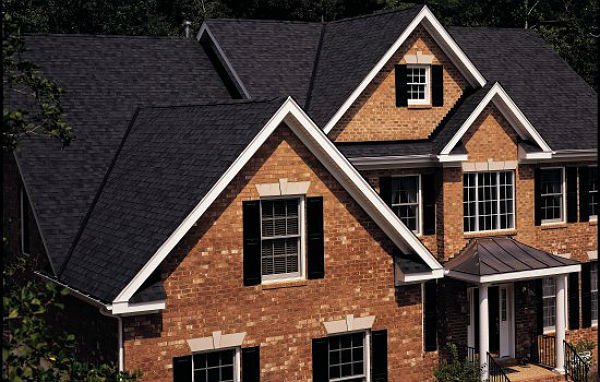
What Long Home installs: We specialize in asphalt and metal roof replacement across Maryland, Virginia, Connecticut, Pennsylvania, Massachusetts, and New Hampshire. The full list below covers all shingle types so you can make an informed decision — we’ve noted which ones we install.
- Asphalt shingles are the most common residential choice — affordable, widely available, and suitable for most climates. Three subtypes: 3-tab (~20 years), architectural/dimensional (~30 years), and luxury (up to 50 years).
- Metal roofing offers the longest lifespan of any shingle type — 50+ years — with minimal maintenance. Best for homeowners prioritizing longevity over upfront cost.
- Wood, tile, and slate deliver premium aesthetics and long lifespans but require structural reinforcement and higher budgets. Long Home does not install these materials.
Hear what our customers say:
“Rob Morris and everyone we dealt with were amazing. We love the way our roof turned out. The men that installed the roof left the outside of our house spotless.”
1. 3-Tab Asphalt Shingles
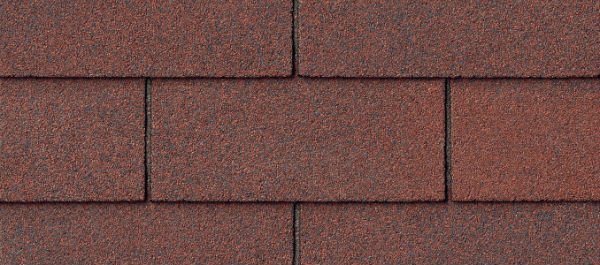
The 3-tab asphalt shingle is the baseline — the shingle that put asphalt roofing on nearly every street in America. Cut with two slots to create the appearance of three separate pieces, they lay flat and uniform, giving roofs a clean, understated look that works on a wide range of home styles. A typical lifespan of around 20 years and a straightforward installation make them the most accessible entry point in residential roofing.
Pros: Affordable, widely available, and easy to replace individual sections if damage occurs.
Cons: Limited dimensional variety — if you want visual texture or depth, you’ll want to look at the next tier up.
2. Dimensional Shingles
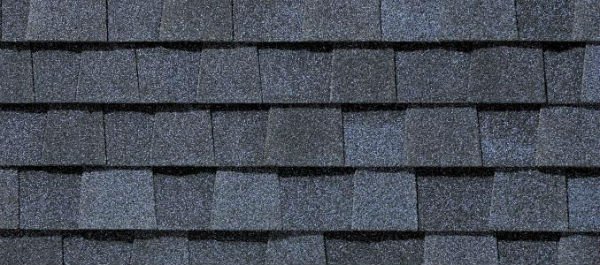
Dimensional shingles — also called architectural shingles — are where most homeowners land when they balance cost, curb appeal, and longevity. The multi-layered construction creates genuine shadow lines and surface variation that 3-tab shingles can’t replicate, giving the roof a texture that reads as more substantial and considered from the street. At up to 30 years, they outlast their 3-tab counterparts by a meaningful margin and are the standard recommendation for most residential re-roofing projects.
Pros: Durable, attractive, and the sweet spot for value in asphalt roofing.
Cons: Heavier than 3-tab — your roof deck needs to be in sound condition to support them, but this is rarely an obstacle on a properly maintained home.
3. Luxury Shingles
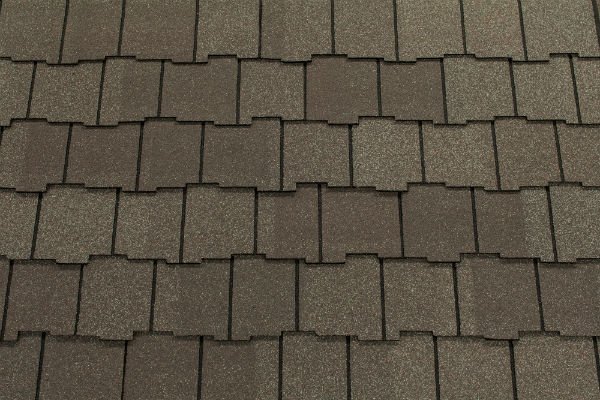
Luxury shingles are the top of the asphalt category, engineered to do something ambitious: make a manufactured product look like it came out of a Vermont quarry or a Pacific Northwest cedar forest. The best ones do it convincingly. With thick, irregularly shaped tabs and rich surface texture, luxury shingles mimic slate and wood shake at a fraction of the weight, cost, and maintenance burden of the real thing. Lifespans of up to 50 years put them in the same conversation as natural materials — without the structural reinforcement requirements of actual slate.
Pros: Premium aesthetics, exceptional durability, and the closest thing to a lifetime roof in the asphalt category.
Cons: The highest price point in asphalt roofing. The weight is substantial — worth confirming your roof structure can handle it, which we assess as part of every estimate.
4. Standing Seam Metal
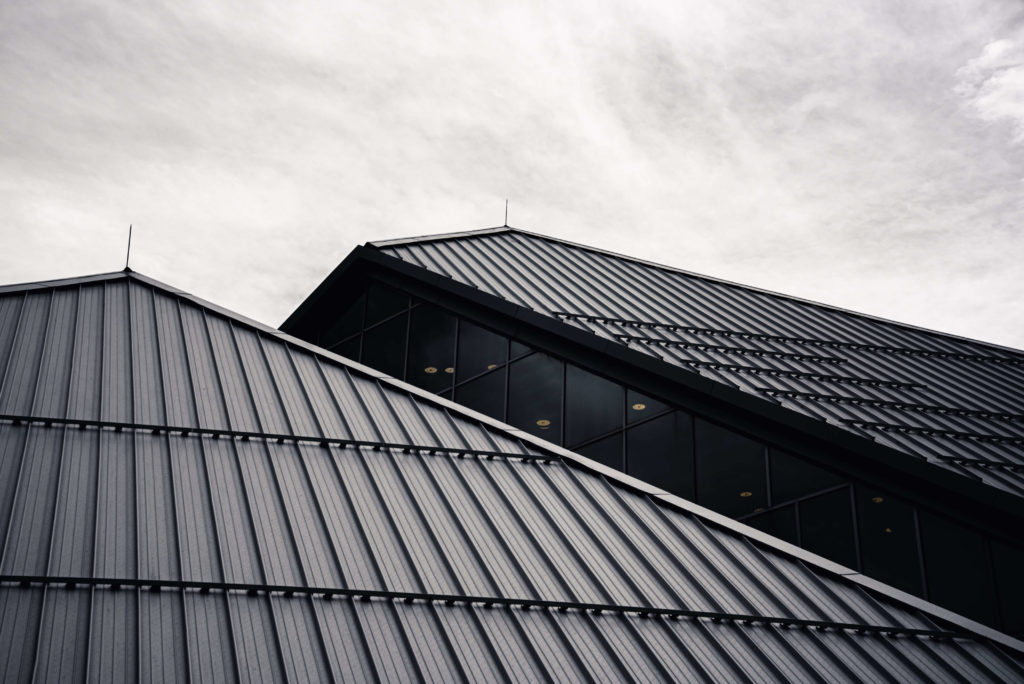
Standing seam metal roofing is the option that makes architects and engineers happy — and once you understand why, it’s hard to argue with them. The system works by running continuous metal panels from ridge to eave, with raised seams that lock adjacent panels together and keep fasteners completely concealed from weather exposure. No exposed screws means no screw-hole failures, no rust streaks, no penetration points for water. The result is a roof that routinely lasts 50 years or more with minimal intervention, handles snow and rain with indifference, and has become the material of choice for high-performance residential roofing.
Pros: Exceptional longevity, virtually maintenance-free, and one of the best-performing roofs in extreme weather. Handles snow load and high winds with the kind of composure that makes other roofing materials look fragile.
Cons: The installation is technical and the material cost is higher than asphalt — but amortized over a 50-year lifespan, the per-year cost is more competitive than it first appears.
5. Rubber Roof Shingles
Rubber shingles are made from recycled materials — typically reclaimed tires and synthetic polymers — which gives them an environmental story that most roofing products can’t claim. Beyond the sustainability angle, they’re genuinely tough: impact-resistant, flexible enough to handle freeze-thaw cycles without cracking, and capable of lasting 30–50 years. Many are manufactured to mimic the look of slate or wood shake, making them a lower-weight, lower-maintenance alternative to those premium materials with the added benefit of keeping rubber out of landfills.
Pros: Environmentally responsible, impact-resistant, and durable across a wide range of climates.
Cons: Style variety is narrower than asphalt, and quality varies significantly between manufacturers — product selection matters here.
Ready to Replace Your Roof?
Long Home installs asphalt and metal roofing across Maryland, Virginia, Connecticut, Pennsylvania, Massachusetts, and New Hampshire. Get a free estimate from a CertainTeed SELECT ShingleMaster™ certified contractor.
Roofing Materials Long Home Does Not Install
Not every roofing material is right for every home – or every contractor. Long Home specializes in asphalt and metal roof replacement because these materials perform best across our service areas and allow us to guarantee the quality of our work. The materials below are included because an informed homeowner makes a better decision. If you’re considering one of these options, we’ll tell you honestly whether it’s the right choice for your project .
6. Aluminum Shingles
Aluminum shingles occupy an interesting niche in the metal roofing category — they deliver the longevity and corrosion resistance of metal at a weight that doesn’t stress your roof structure. Genuinely rust-proof by nature rather than by coating, they’re a strong option in coastal or high-humidity climates where other metals require more maintenance vigilance. With lifespans reaching 50 years, the math on upfront cost versus replacement frequency tends to work in their favor over time.
Pros: Lightweight, rust-resistant by nature, and exceptionally long-lasting.
Cons: Higher upfront cost than asphalt, and they’re not the quietest roof in a heavy rainstorm — though proper underlayment significantly reduces that.
7. Corrugated Steel
Corrugated steel is the workhorse of the roofing world — utilitarian, unpretentious, and built to take a beating. Its signature wavy profile isn’t an aesthetic choice; it’s structural, distributing load and shedding water with mechanical efficiency. Galvanized to resist corrosion, corrugated steel can last 30–50 years on agricultural buildings, industrial structures, and the occasional design-forward home where the raw industrial look is the point.
Pros: Cost-effective, durable, and strong.
Cons: Not a quiet roof — rain turns it into a snare drum. And unless you’re going for the “reclaimed barn” aesthetic, it’s a hard sell in a residential neighborhood.
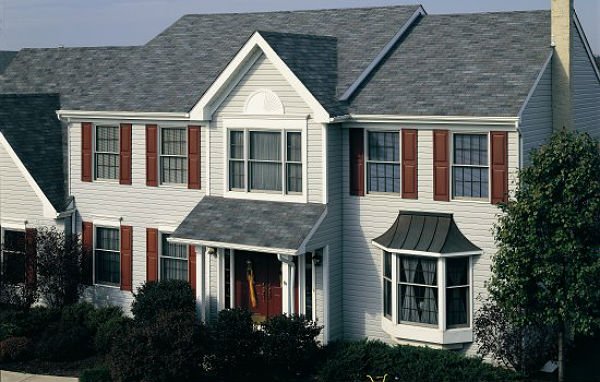
8. Impact-Resistant Shingles
If you live somewhere hail is a seasonal ritual rather than a rare event, impact-resistant shingles exist specifically for you. Engineered to absorb the kind of punishment that sends standard shingles to the dumpster, these are typically asphalt or metal shingles built to a Class 4 impact rating — the highest available. The practical upside beyond durability: many insurance carriers reward the upgrade with a meaningful discount on your premium.
Pros: Weather-resistant, highly durable, and potentially insurance-discount eligible.
Cons: Higher upfront cost, and style options are narrower than standard shingles.
9. Composition Shingles
Composition shingles are something of a catch-all term in the roofing industry — technically, most asphalt shingles qualify. The blend of fiberglass mat, asphalt, and mineral granules produces a roof that’s weather-resistant, widely available, and manufactured in enough styles and colors to complement nearly any home exterior. Lifespans run 20–30 years depending on product grade and climate.
Pros: Affordable, versatile, and available in a wide range of styles.
Cons: Prone to algae and moss growth in humid climates — look for granules with copper or zinc infusion if that’s a concern in your area.
10. Wood Shingles
There’s a reason cedar shake colonials and craftsman bungalows with wood roofs look the way they do — nothing quite replicates the warmth of natural wood aging gracefully on a roofline. Typically milled from western red cedar, redwood, or pine, wood shingles are sawn smooth on both sides and taper to a thin edge. With diligent maintenance — cleaning, treating, and the occasional repair — they can reach 25–30 years.
Pros: Beautiful, naturally insulating, and environmentally sourced.
Cons: They demand attention. Neglect invites moss, rot, and fire risk. Not permitted in some high-fire-risk municipalities.
11. Wood Shake Shingles
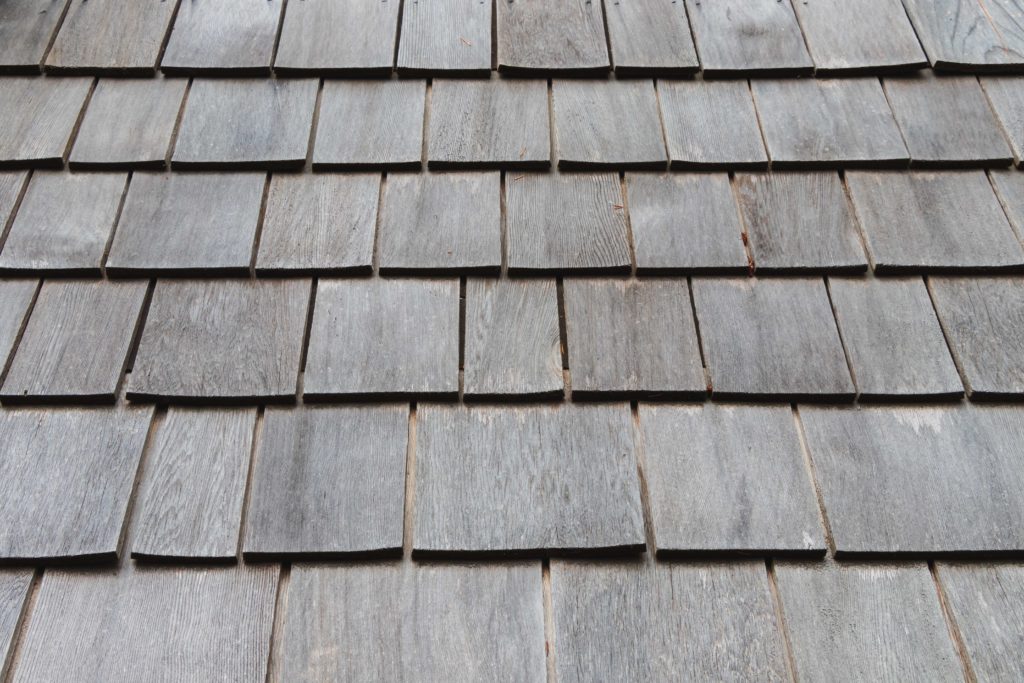
Wood shakes are wood shingles’ rougher, more characterful cousin. Where shingles are sawn smooth, shakes are split — which means the grain runs the full length of the piece and the face carries the natural texture of the wood rather than a machined surface. The result is a roof with genuine visual depth: shadow lines, variation, the kind of handcrafted look that photographs well and ages even better. Up to 30 years with proper maintenance.
Pros: Exceptional insulation, striking appearance, and a texture no manufactured product has fully replicated.
Cons: Premium maintenance requirements. Susceptible to insect damage, mold, and moisture if not regularly treated.
12. Clay Tiles

Clay tiles are one of the oldest roofing materials still in active use — and they look it, in the best possible way. Fired at extreme temperatures from natural clay, they achieve a hardness and color permanence that synthetic alternatives spend decades trying to approximate. Mediterranean, Spanish Colonial, and Southwest architecture would lose their defining character without them. Properly maintained, clay tiles last 50–100 years. Some historic installations have outlasted the buildings beneath them.
Pros: Extraordinarily durable, fire-resistant, and immune to rot and insects.
Cons: Heavy — your roof structure needs to be engineered to carry them. And the price reflects their pedigree..
13. Concrete Tile
Concrete tile offers much of the visual appeal of clay at a lower price point, which explains its popularity in the Sun Belt. Manufactured from sand, cement, and water, concrete tiles can be molded into profiles that convincingly mimic clay, slate, or wood shake — and they’ll last 50 years or more doing it. The trade-off is weight: concrete tiles are dense, and older homes often require structural reinforcement before installation.
Pros: Long-lasting, fire-resistant, and available in profiles that mimic more expensive materials.
Cons: Very heavy and prone to cracking under significant impact.
14. Slate Tile
Slate is the closest thing roofing has to an heirloom material. Quarried from natural stone and installed by craftsmen who treat it accordingly, a slate roof doesn’t just last — it outlasts. A century is not unusual. Two centuries is documented. The economics are counterintuitive: the upfront cost is steep, but amortized over a genuine lifespan it often competes favorably with materials that need replacing every 20–30 years. If the house is worth it, slate is worth considering.
Pros: Unmatched longevity, timeless aesthetics, and virtually impervious to fire, rot, and insects.
Cons: Premium installation cost, significant weight, and requires a contractor who actually knows how to work with it.
15. Solar Shingles
Solar shingles represent the most ambitious ask in residential roofing: replace your roof and your electric meter in the same project. Unlike roof-mounted solar panels, solar shingles integrate photovoltaic cells directly into the roofing material — Tesla’s Solar Roof being the most recognizable product in the category. The pitch is compelling in theory. In practice, installation complexity, cost, and the limited installer network make it a niche choice for now, though the technology continues to mature.
Pros: Generates electricity, reduces utility bills, and eliminates the bolted-panel look.
Cons: Expensive, complicated to install, and repair or replacement after storm damage is a different animal than standard roofing.
16. Copper Shingles
Copper roofing is in a category of its own. It arrives a warm, bright metallic tone and spends the next several decades slowly oxidizing into the blue-green patina that defines the rooflines of historic churches, university buildings, and the kind of homes that get written up in architecture publications. No two copper roofs age identically — the patina develops based on climate, exposure, and time, making each installation genuinely unique. Lifespan frequently exceeds 50 years, often significantly.
Pros: Visually striking with a patina that only improves with age. Exceptionally durable and completely recyclable.
Cons: Premium material and installation cost. Requires specialists — a roofer unfamiliar with copper can create galvanic corrosion issues where it contacts other metals.
Not Sure Which Shingle Is Right for You?
Our roofing experts can walk you through your options and recommend the best asphalt or metal shingle for your home’s structure, climate, and budget — at no cost to you.
Choose Long Home for Your Roofing Needs
The experts at Long Home are ready to help you choose the right type of shingle for your home’s new roof. Whatever your personal preferences, needs, or budget, you can count on us to give your home the best roof, installed with efficiency and care.
Get Your Free Estimate!
Frequently Asked Questions About Roofing Shingles
Q: What is the most popular type of roofing shingle? Asphalt shingles are by far the most common choice for residential roofing in the U.S. They’re affordable, widely available, and come in a range of styles and colors. Within asphalt, architectural (dimensional) shingles have largely replaced 3-tab as the standard due to their better durability and appearance.
Q: What’s the difference between 3-tab and architectural shingles? 3-tab shingles are flat and uniform, with cutouts that give them a segmented look. Architectural shingles are thicker, layered, and designed to mimic the look of wood shake or slate. Architectural shingles last longer, handle wind better, and are the more common choice in new roof replacements today.
Q: How long do roofing shingles last? It depends on the material. Standard architectural asphalt shingles typically last 25–30 years. Premium asphalt shingles (like CertainTeed’s Landmark Premium line) can last 30–40 years. Metal, slate, and tile roofing can last 50 years or more with proper maintenance.
Q: What type of shingle is best for a high-wind area? Look for shingles rated for high wind resistance — Class H or wind-rated shingles tested to withstand 110 mph or higher. Many impact-resistant shingles carry both a high wind rating and a Class 4 impact rating, making them a strong choice in storm-prone climates.
Q: Are impact-resistant shingles worth it? Often yes, especially in areas prone to hail or severe storms. Class 4 impact-resistant shingles can qualify homeowners for insurance discounts in many states, which can offset some of the higher upfront cost over time. They also tend to have longer warranties.
Q: What is the cheapest type of roofing shingle? 3-tab asphalt shingles have the lowest material cost, but they’re less durable than architectural shingles and may need replacement sooner. For most homeowners, architectural shingles offer better long-term value even at a slightly higher price point.
Q: Can I choose any shingle color or style for my roof? Generally yes, though some HOAs and historic districts have restrictions. Beyond that, color choice is largely aesthetic — lighter colors reflect more heat and can help with energy efficiency in warmer climates, while darker shingles absorb heat, which can be an advantage in colder regions.
Q: Do I need to replace all my shingles at once? If your roof has significant age or widespread wear, full replacement is typically the right call. Patching mismatched shingles over an aging roof rarely solves the underlying problem and can create warranty and insurance complications. A professional inspection will tell you where your roof actually stands, contact Long Home for a professional assessment.